
PHOTOGRAPHER + EDUCATOR
My goal with every single shoot is to preserve your unique relationship in its most authentic and adventurous form, creating memories that resonate and stories that last a lifetime. After all, you only get one life, so fucking live it 🤘🏼
But my passion doesn’t stop there. I also love sharing my expertise and insights with fellow photographers, helping them grow and elevate their craft. Whether it’s through mentorship, behind-the-scenes guidance, or sharing tips and tricks I’ve learned over the years, I’m here to support others in capturing moments that matter just as much. Let’s create, learn, and live boldly—together.

CHANTEL ZETTEL
FREE PDF GUIDE
GET IT HERE
Manual camera settings aren’t as frightening as they may seem. In fact, they can become your best friend as a lifestyle photographer. While automatic settings can be helpful when you’re just starting out, learning to shoot in manual gives you full creative control. Once you understand how each element works together, you’ll be able to achieve specific results and consistently capture better, more intentional images.
The Exposure Triangle: ISO, Shutter Speed, and Aperture
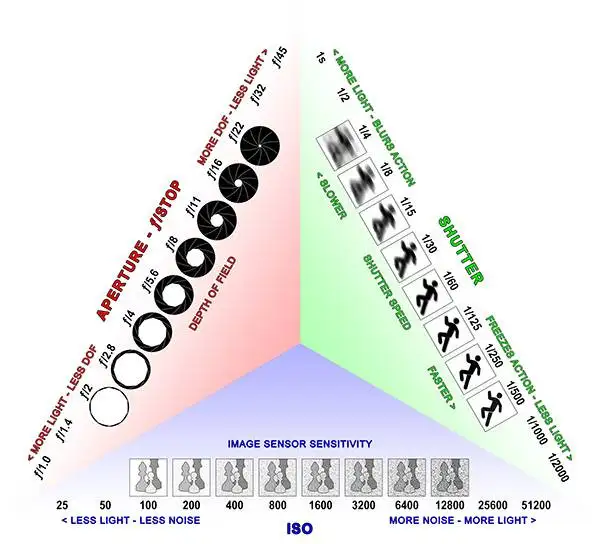
The exposure triangle is what you will use to predict what manual settings your camera should be at. You need to use all 3 elements of manual settings; ISO, Shutter Speed and Aperture. These 3 things will make up how exposed your images are. When exposing an image, you want to watch that your highlights of the scene arent blown out white because it will be difficult to bring the detail back if your image is too bright, same goes for if its super dark.
ISO
In photography, ISO is a setting that controls your camera sensor’s sensitivity to light. A higher ISO makes the sensor more sensitive, brightening dark photos but adding digital noise (grain), while a lower ISO provides cleaner images but requires more light, making it ideal for bright conditions. It’s one of the three elements of the exposure triangle (with aperture and shutter speed) that determines how bright or dark a picture is, with standard numbers like 100, 400, 1600, etc., representing increasing sensitivity.
Shutter Speed
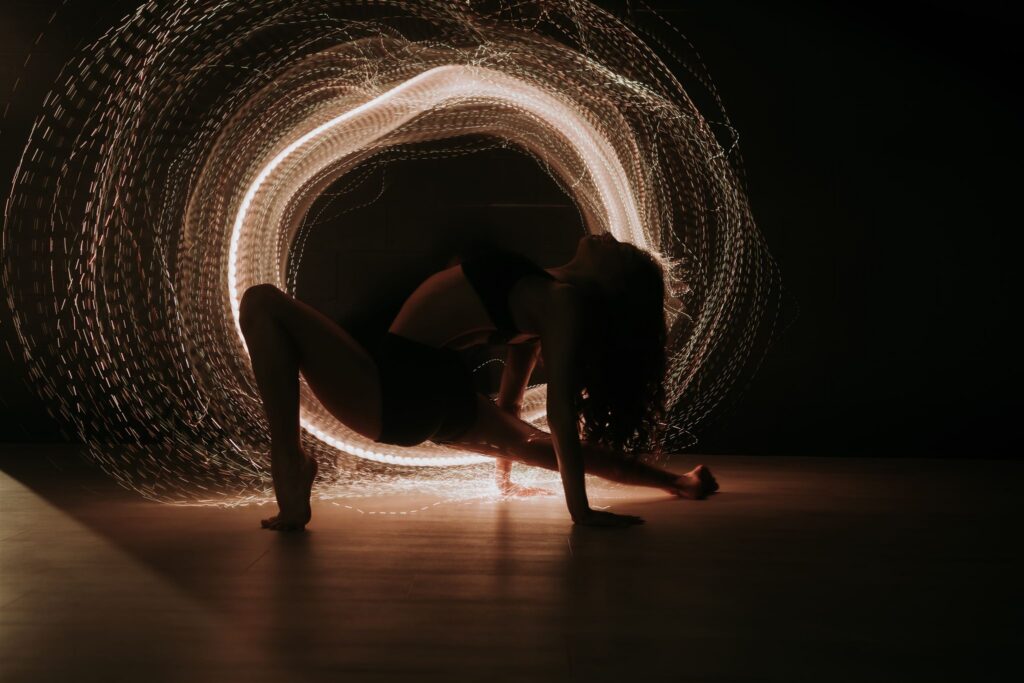
Shutter speed is the length of time a camera’s shutter remains open, allowing light to strike the digital sensor or film. Measured in seconds or fractions of a second (e.g., 1/500s or 2s), it determines exposure brightness and controls motion blur. Fast speeds freeze action, while slow speeds create motion blur or light trails.
Aperture
Aperture is the adjustable opening within a lens that controls the amount of light reaching the camera sensor, directly affecting image brightness. Measured in f-stops (e.g., f/1.8, f/16), it also dictates the depth of field—lower f-numbers create a blurry background (shallow depth of field), while higher f-numbers keep more of the scene in sharp focus.
Using Manual Settings for Different Sessions
Applying manual camera settings will always vary depending on the location, number of people, time of day, and desired outcome. For example:
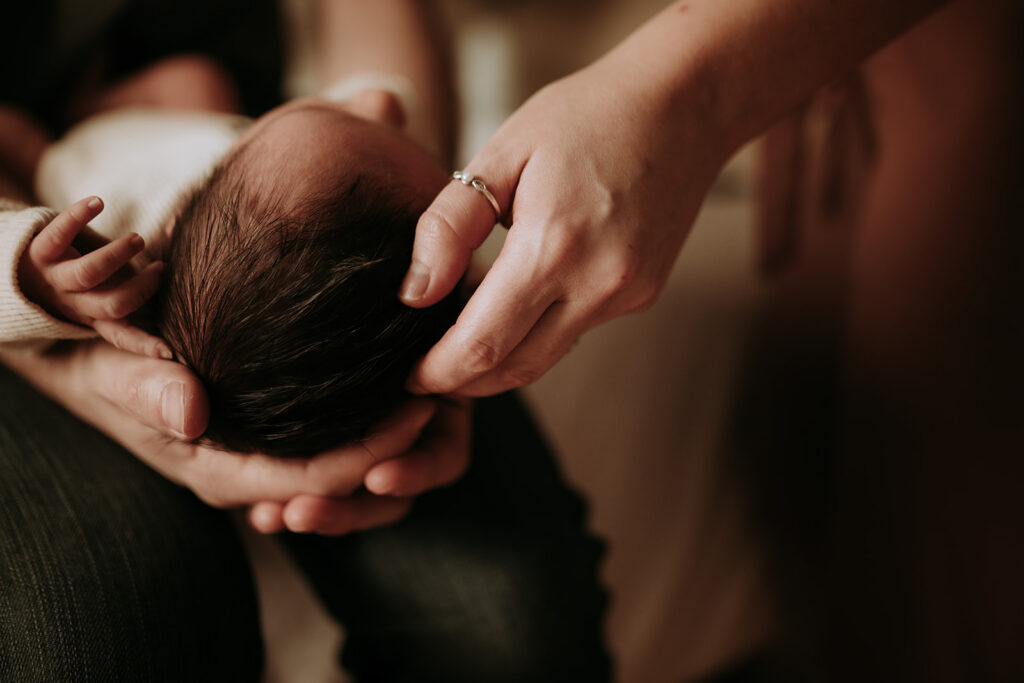
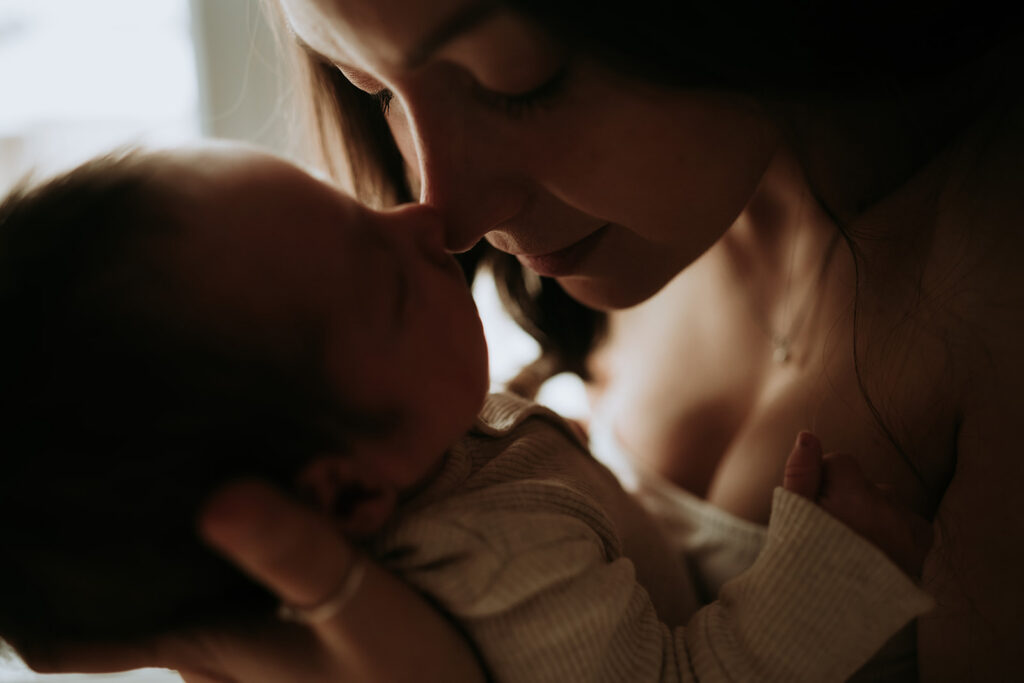
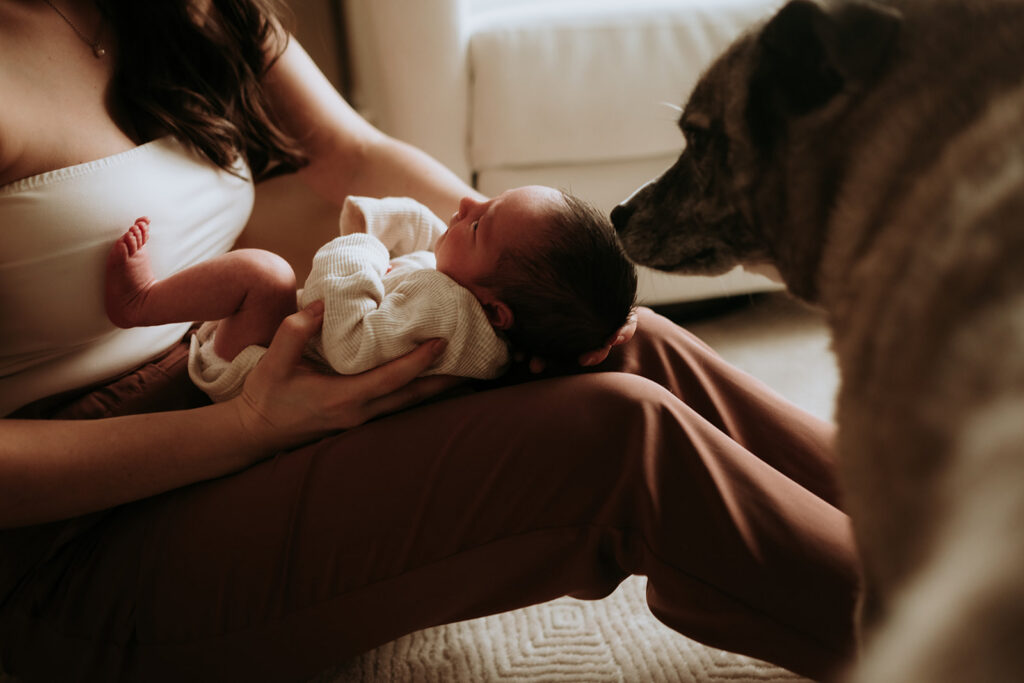
- In-Home Newborn Session | lower shutter speed (1/250), wider aperture (f1.4), higher ISO (800)
When shooting an in home session, the only natural light you will have is from the windows. With how much low light there is, you need to allow more light into your lens using a lower shutter speed but not too low when all your images are blurry. Also quick tip – be cautious of ‘banding’ in your images when working with artificial lightings. A lower aperture typically avoids this. Bringing you aperture down (aka widening) allows for more light to enter and increasing your ISO will also create a brighter image.
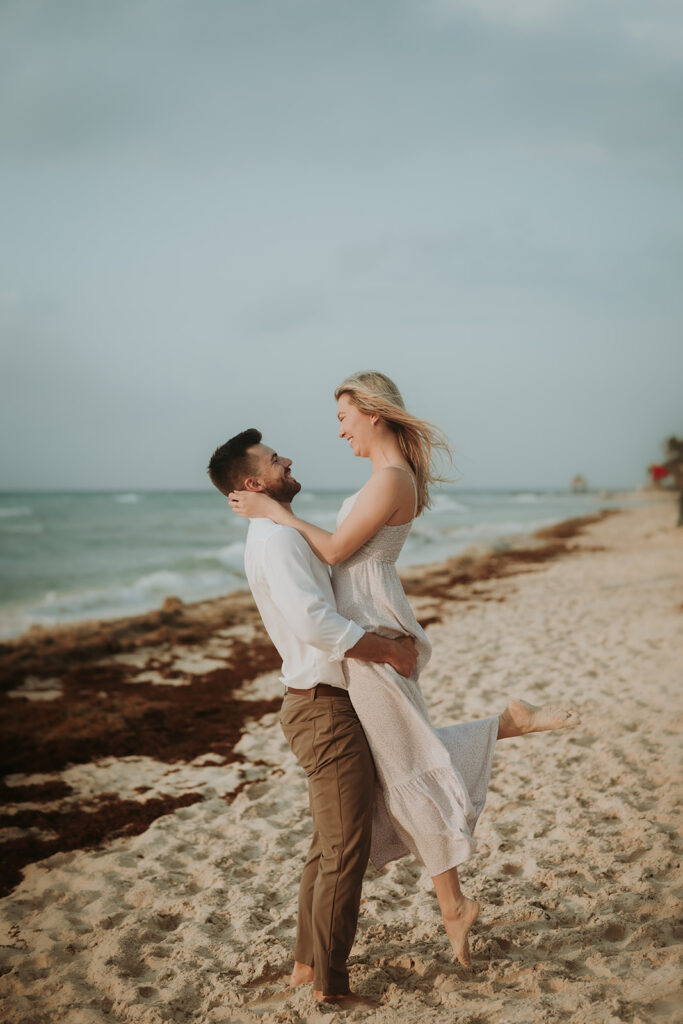
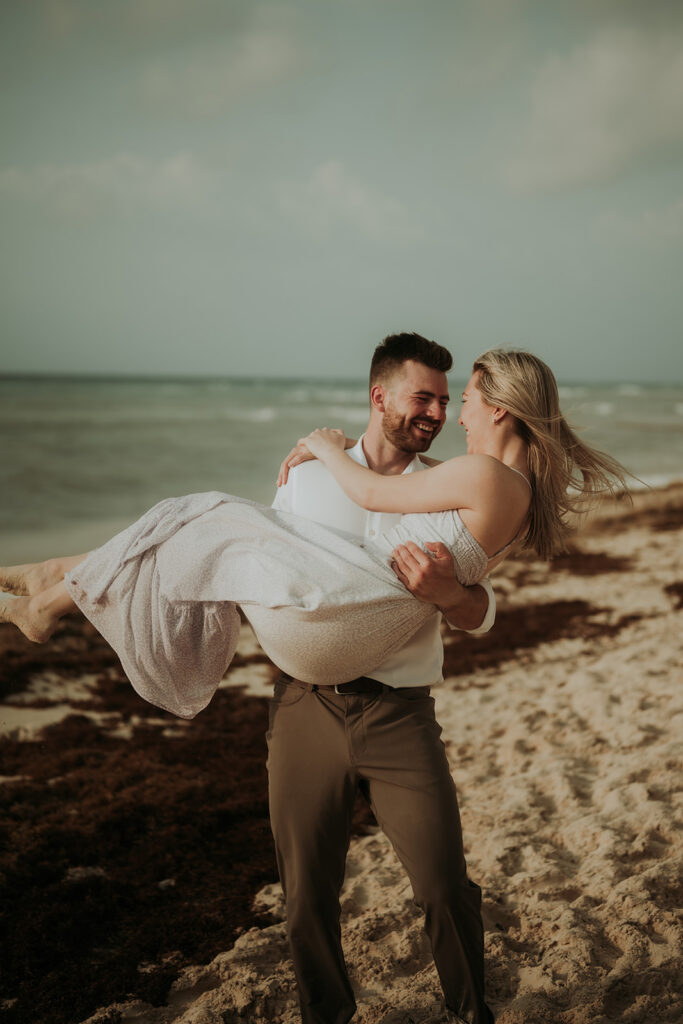
- Mid-day Beach Couples Session | higher shutter speed (1/1600), narrow aperture (f4), lowest ISO (100)
Mid-Day sessions are dependent on how harsh your sunlight is. A cloudy day allows for a more soft look to your photos, while direct sunlight is more bright and harsher on the shadows. Typically for harsh lighting, you have to increase your shutter speed, and aperture to create less light. Use the lowest ISO since there will be plenty of light. This way, you won’t need to compensate with ISO, resulting in a cleaner image with less noise.
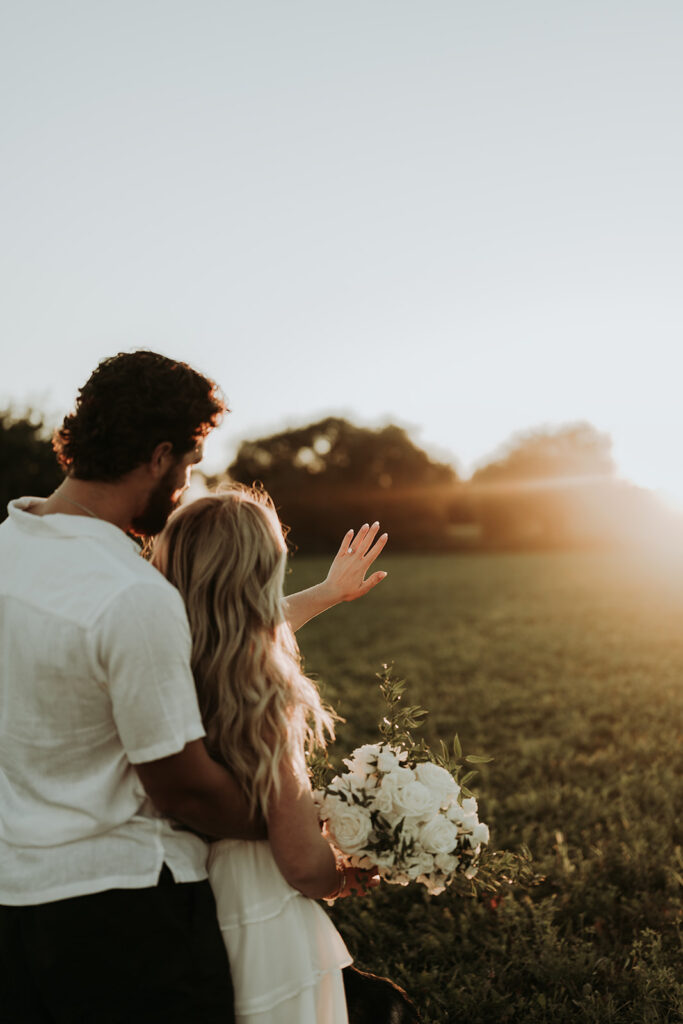
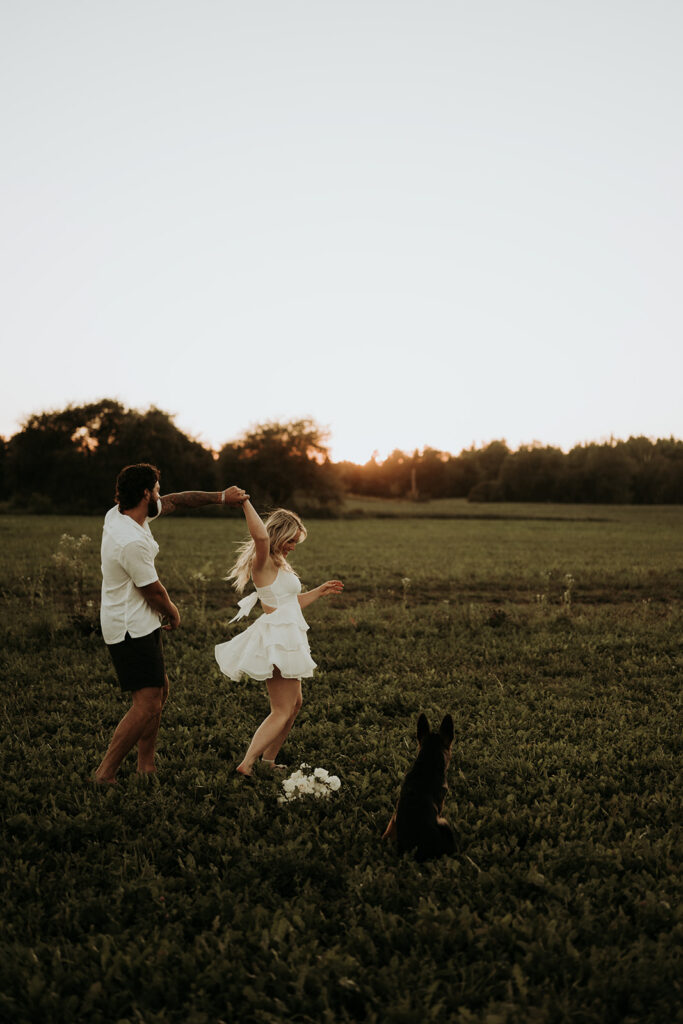
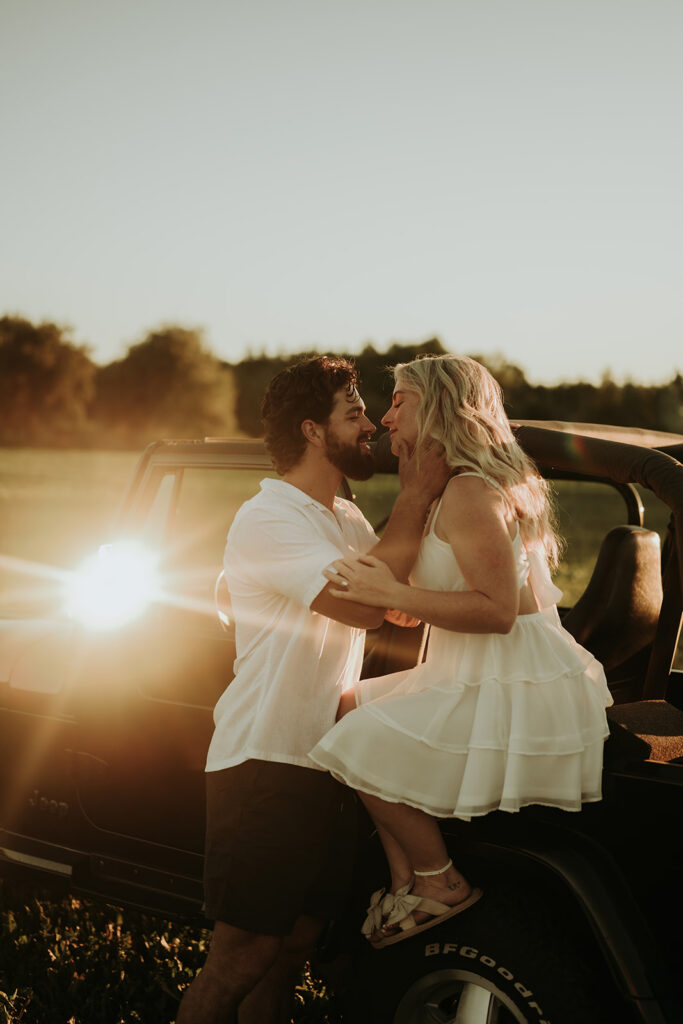
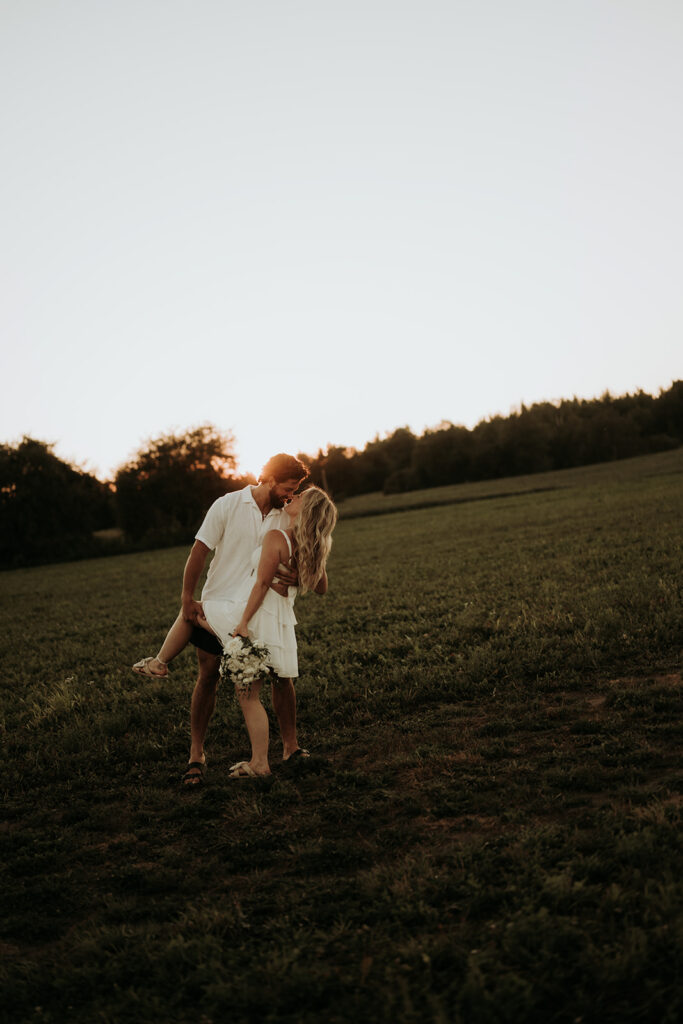
- Golden Hour Engagement Session | lower-mid shutter speed (1/800), wider aperture (f1.8), mid-ISO (200)
When photographing moving people, like candids and prompts, staying at a shutter speed of 1/640 or higher helps keep your subjects crisp and in focus. If motion blur is the effect you want, you can bring the shutter down to around 1/30. It will all depend on your desired outcome. Using a wider aperture during golden hour allows for a blurry background while letting in the most light as the sun begins to dim. Your ISO will vary as the light begins to fade, your ISO will slowy start increasing as this happens.
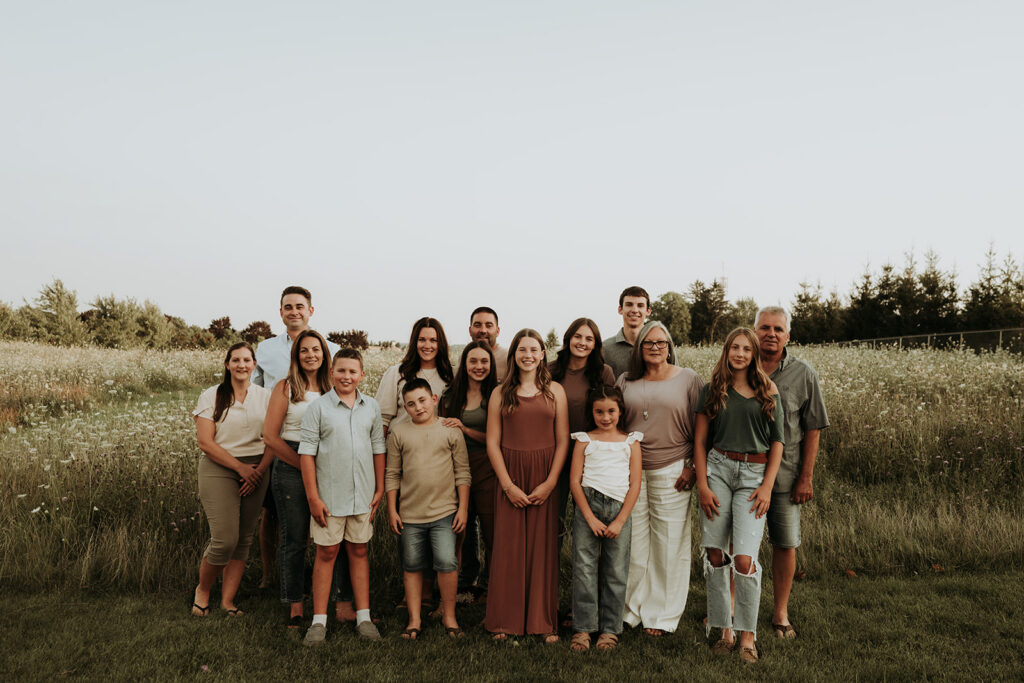
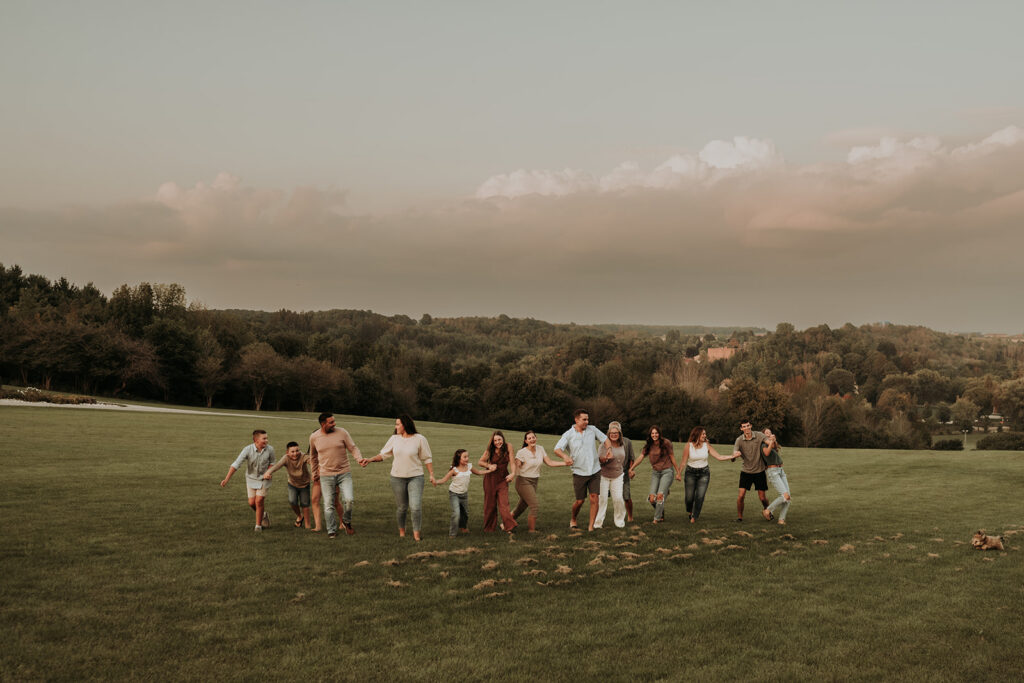
- Daylight Extended Family Session | lower shutter speed (1/640), narrow aperture (f22 – depending on number of people), higher ISO (800)
Lifestyle sessions with more than 2 people is where your aperture will play a big part. My rule to remember is one f-stop per one person. So a family of 5, will have my settings at f5. Family of 20, f20 etc. This won’t always be the case but the more people, the narrower the aperture. It is to make sure all faces are in focus and getting the most depth of field as with family sessions. Typically there will be a few rows of people resulting in a few different depth of field. Then adjusting your shutter speed and ISO to the correct exposure around this.
- Nightlife Portrait Session | low shutter speed (1/250), wide aperture (f1.4), higher ISO (1000)
This is where is gets fun and creative during lifestyle sessions at night. Depending what light sources are within your surroundings, if your using flash or in the pitch dark. ISO and shutter speed will be a big part of this, while your aperture will stay as wide as possibly allowing the most light in. If your subject is moving you’ll need to have a staple shutter speed you prefer to keep your subject focused. If its extremely dark to the point you need to raise your ISO above 8000. It may be worth considering more lighting or a flash.
Mastering Manual Camera Settings as a Lifestyle Photographer
Each session uses different setting for different reasons. This is why understanding manual camera settings is important as a lifestyle photographer. If you’re reading this, I encourage you to grab a friend or explore the town with your camera. Try using the 3 elements to create proper exposure images that are in focus! Practice will help you be confident going into your next lifestyle session. Remember to slow down, look back on your images and keep up the practice! You’ll be a master in no time!

PHOTOGRAPHER + EDUCATOR
My goal with every single shoot is to preserve your unique relationship in its most authentic and adventurous form, creating memories that resonate and stories that last a lifetime. After all, you only get one life, so fucking live it 🤘🏼
But my passion doesn’t stop there. I also love sharing my expertise and insights with fellow photographers, helping them grow and elevate their craft. Whether it’s through mentorship, behind-the-scenes guidance, or sharing tips and tricks I’ve learned over the years, I’m here to support others in capturing moments that matter just as much. Let’s create, learn, and live boldly—together.
CHANTEL ZETTEL
FREE PDF GUIDE
GET IT HERE


book a session
04
Recent articles
03
info & Investment
02
behind the lens
01

Blog
Home
About Me
Experience
Portfolio
For Photog
inquire

